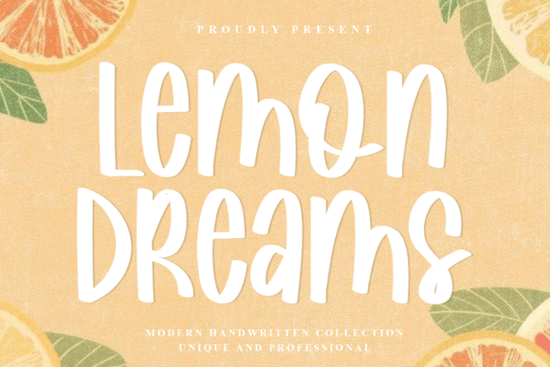
Finding a handwritten typeface that balances personality with legibility is often a challenge for designers. Many scripts feel too messy for professional work, while others look too rigid. The Lemon Dreams Font solves this by offering a unique and professional entry into the modern handwritten collection. It is designed to evoke a sense of clarity and crisp elegance, making it a strong candidate for projects that need a human touch without sacrificing readability.
When you explore this specific typeface gallery, you will notice the attention to detail in the stroke weight. Unlike many casual scripts, this one features tall, thin strokes with a subtle, airy slant. This refined aesthetic feels as fresh as a mountain breeze, which is why it stands out in a crowded market. It avoids the cluttered look that often plagues brush fonts, ensuring your message remains the focus.
What makes this script stand out from others?
The primary advantage of this font is its clean and approachable style. It does not try too hard to be decorative, which allows it to blend well into various design contexts. For instance, if you are working on branding for outdoor gear, you need something that feels organic but reliable. This typeface provides that balance. It is distinct from bolder options like Snakey, which might feel too heavy for delicate layouts. If you are looking for more dynamic handwriting styles, that might be a better fit for high-impact headers, but for body text or subtle logos, the airy slant here works better.
Legibility is key for web design, and this script maintains clarity even at smaller sizes. The open counters and consistent spacing prevent letters from blending together. This is crucial for sophisticated web design where users scan content quickly. You want your audience to read your message, not struggle to decipher it. The professional nature of the glyphs ensures it passes the test for corporate casual environments as well as creative portfolios.
Where does this typeface work best?
Based on its characteristics, there are specific industries where this font shines. Travel photography blogs benefit from the fresh vibe, as it complements images of nature and open spaces. It suggests movement and freedom without looking chaotic. Additionally, it is ideal for branding for outdoor gear. Imagine a logo on a water bottle or a hiking journal; the thin strokes convey lightness and durability.
For those interested in luxurious design elements, you might consider pairing this with something more ornate. While Pearl Diamond offers a gem-like shine, using it alongside this cleaner script creates a nice hierarchy. You can use the fancier font for accents and this one for the main information. This combination works well for invitation suites or high-end product packaging where you want to convey quality.
How do you pair it with other styles?
Typography pairing is about contrast. Since this script has thin, tall strokes, it pairs beautifully with a sturdy sans-serif or a geometric font. However, if you want to stay within the handwritten family, you need something grounded. Knitheart offers a textured look that could provide warmth against the crispness of this main font. If you explore textured lettering options, you will find that combining smooth and rough textures adds depth to your design.
For functional projects, such as digital planners or journals, readability is the priority. You might use this for cover titles but switch to a simpler script for internal sections. Resources like functional layout tools often suggest using distinct weights for headers and body copy. While Planner fonts are built specifically for organization, this script can serve as the decorative element that makes the planner feel personal and inviting.
Practical tips for implementation
When downloading and installing new typography, always check the license terms. Most creative assets allow for personal and commercial use, but it is good to verify if there are limitations on print runs or digital distribution. Once installed, test the font in your specific software. Some design programs handle OpenType features differently, so check the alternates and ligatures to ensure the connections between letters look natural.
Keep your background in mind. Because the strokes are thin, this font works best on solid colors or low-texture backgrounds. Placing it over a busy photograph might reduce visibility. If you must use it over an image, add a subtle drop shadow or a solid backing shape to increase contrast. This ensures the crisp elegance is not lost in the noise of the background.
- Check contrast: Ensure the thin strokes are visible against your chosen background color.
- Limit usage: Use this script for headlines or short phrases rather than long paragraphs.
- Pair wisely: Combine with a simple sans-serif to maintain balance and readability.
- Test sizes: Verify legibility on mobile devices if using for web design.
- Review license: Confirm commercial rights before using for client work or products for sale.
Starting with a solid typographic foundation saves time during the revision process. By choosing a font that is both unique and professional, you reduce the need for excessive adjustments later. Whether you are creating a logo, a social media graphic, or a website header, this tool provides the clarity needed to communicate effectively. Take the time to experiment with spacing and pairing to get the most out of your design projects.
Explore Design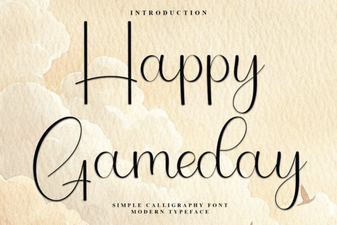 Spark Your Sports Event Designs with Happy Gameday Font
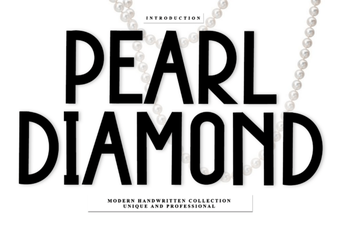 Pearl Diamond Fonts for Elegant Website Design
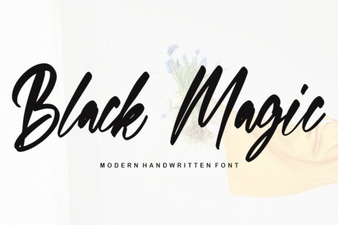 Black Magic Font: Design Tips & Creative Uses
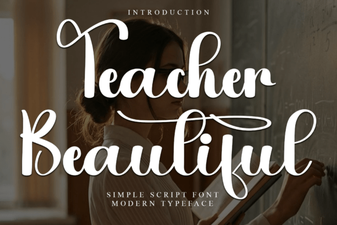 Fonts Teachers Love: Beautiful & Classroom-Friendly Designs
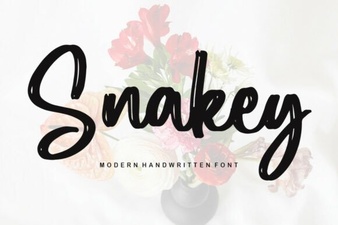 Designing with the Snakey Font: Creative Typeface Projects
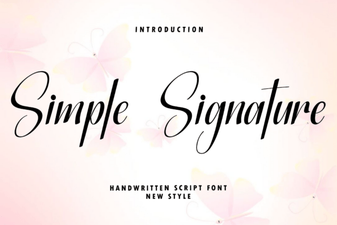 A Guide to Simple Signature Fonts for Your Projects