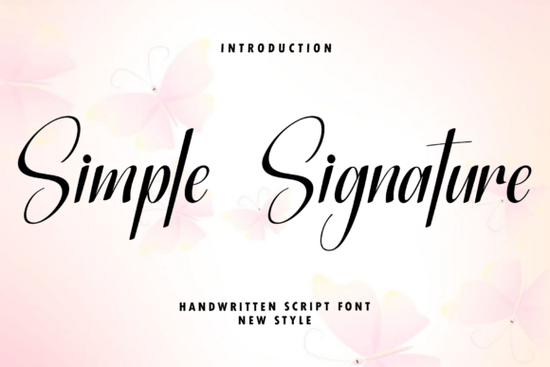
Choosing the right typography can define the entire feel of a project, especially when you need something that feels personal and high-end. For designers working on luxury wedding stationery or intimate event branding, a fluid handwritten script often provides the perfect touch of sophistication. The Simple Signature Font is a prime example of this style, capturing the essence of a modern, sophisticated typeface without sacrificing readability. It works particularly well for high-end editorial signatures and lifestyle photography overlays where clarity meets elegance.
When you select a script typeface, you are not just picking letters; you are choosing a voice for your brand. A clean, flowing script suggests professionalism and attention to detail. It tells your audience that you care about the finer points of design. This is crucial for small businesses and creative hobbyists who want their work to stand out in a crowded market. Whether you are creating logos, social media graphics, or printed invitations, the right font ensures your message is received warmly.
Why choose a fluid script for branding?
Fluid scripts mimic the natural movement of handwriting, which creates an immediate emotional connection with the viewer. Unlike rigid sans-serif fonts, a handwritten style feels approachable yet refined. This makes it an excellent choice for industries like beauty, wellness, and boutique retail. When customers see a signature style logo, they often perceive the business as owned by a real person who values quality.
However, not all script fonts are created equal. Some are too decorative to read at small sizes, while others lack the unique character needed for branding. You need a typeface that balances flair with function. The goal is to find something that looks custom but remains legible across different mediums, from business cards to website headers. This balance is what makes modern script fonts so valuable for contemporary design projects.
What are some similar style alternatives?
If you are exploring options beyond the primary choice, there are several other typefaces that offer a similar vibe. Each has its own quirks, so testing a few is always a good idea before committing to a final design. Here are a few worth considering for your next project:
- For a slightly more playful yet elegant look, you might explore the Rising Happy Font. It maintains readability while adding a bit of bounce.
- If you need something with more distinct curves, the Snakey Font offers a unique flow that works well for creative logos.
- Those looking for a classic educational or warm aesthetic might prefer the Teacher Beautiful Font, which feels inviting and structured.
- For a dreamy, soft appearance, the Lemon Dreams Font provides a light and airy feel suitable for lifestyle brands.
Testing these options side by side can help you decide which one aligns best with your specific brand identity. Downloading a few samples allows you to see how they pair with your existing color palette and imagery.
How do you pair script fonts with other typefaces?
Using a script font effectively often means pairing it with a complementary typeface. A good rule of thumb is to combine a decorative script with a clean sans-serif or a traditional serif. This creates contrast and ensures that important information remains easy to read. For example, use the script for headings or signatures and a simple font for body text.
Avoid pairing two script fonts together, as this can make the design look cluttered and hard to decipher. The eye needs a place to rest. By keeping the supporting text neutral, you allow the signature font to shine as the focal point. This technique is widely used in editorial design and packaging where hierarchy is key to guiding the customer's eye.
What licensing terms should you check?
Before using any font for commercial projects, always review the license agreement. Some typefaces are free for personal use only, while others allow unlimited commercial projects. Print-on-demand sellers need to be especially careful here. Ensure your license covers merchandise sales if you plan to put the text on t-shirts, mugs, or posters.
Most premium fonts come with a clear commercial license, but it is worth double-checking restrictions on logo usage or digital ads. Keeping a record of your licenses helps protect your business from potential legal issues down the line. It also ensures you can confidently scale your projects without worrying about compliance.
Design Checklist for Script Fonts
- Check Legibility: Ensure the font is readable at small sizes on mobile screens.
- Verify Licensing: Confirm commercial use rights for print-on-demand or client work.
- Test Pairings: Try the script with a simple sans-serif to create balance.
- Review Formats: Make sure you have the file types you need (OTF, TTF, or WOFF).
- Keep it Sparse: Use script fonts for headings or accents, not long paragraphs.
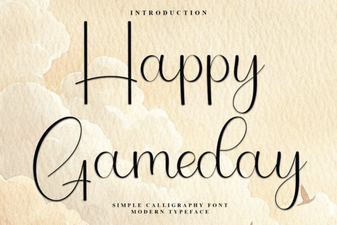 Spark Your Sports Event Designs with Happy Gameday Font
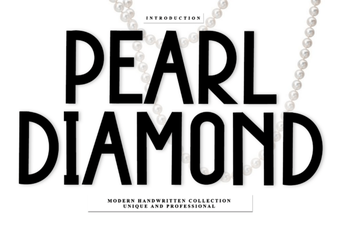 Pearl Diamond Fonts for Elegant Website Design
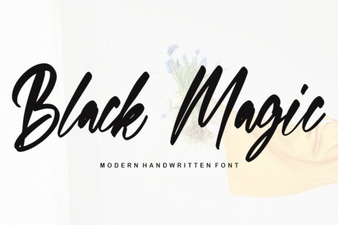 Black Magic Font: Design Tips & Creative Uses
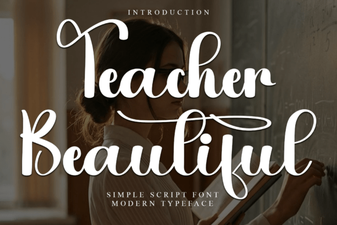 Fonts Teachers Love: Beautiful & Classroom-Friendly Designs
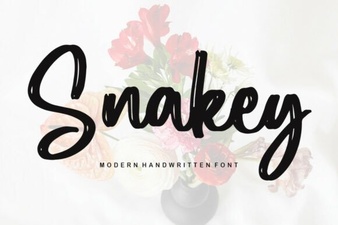 Designing with the Snakey Font: Creative Typeface Projects
 Introducing Holgiona: a Creative Font for Modern Design