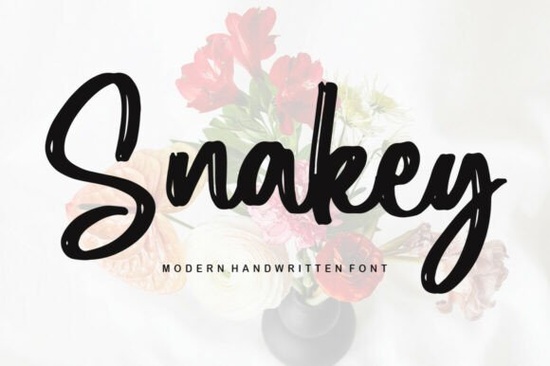
Finding a handwriting style that feels personal yet remains legible is often a challenge for creatives. You want something that adds a human touch without looking messy or hard to read. That is exactly where Snakey Font comes into play. It offers a fresh look that balances neatness with personality, making it a solid choice for various projects. Whether you are designing for a client or creating something for your own shop, having a reliable script in your toolkit saves time and reduces frustration.
What makes this typeface stand out?
Many handwritten options lean too far into chaos, sacrificing readability for style. This typeface avoids that trap. It maintains a consistent baseline while keeping the organic flow of natural writing. The strokes are smooth, which helps when you are scaling designs up or down. If you have ever used similar elegant scripts, you know how important clarity is when printing on physical goods. The clean lines here ensure that even smaller text remains decipherable on items like stickers or product labels. This consistency is key when you need your brand to look professional across different mediums.
The friendly nature of the letters makes them approachable. It does not feel stiff or overly formal, which is perfect for brands that want to connect with their audience on a personal level. The curves are soft, avoiding sharp edges that might feel aggressive. This subtle detail matters when you are trying to convey warmth through typography alone.
Where does this font work best?
The description highlights wedding invitations and cards, and for good reason. The friendly vibe suits celebratory occasions perfectly. However, its utility goes beyond paper goods. For those running a print-on-demand shop, this style works well on apparel where a soft, approachable message is needed. It is not quite as playful as upbeat lettering meant for children's toys, but it holds enough fun to keep designs from feeling stiff. You can use it for quotes on mugs, tote bags, or even digital planners.
Speaking of organization, if you are designing covers for weekly planners, this script adds a welcoming touch to productivity tools. People often want their planners to feel inviting rather than like a chore. Using a neat handwritten style on the cover or section dividers can make the process of planning feel more enjoyable. It bridges the gap between functional text and decorative art.
How do you pair it with other elements?
Mixing fonts is an art. Since this script has a flowing nature, it pairs best with simple sans-serif companions. Avoid using it with another complex script, as that creates visual noise. Think about the mood you want to set. If you are creating branding for a bakery, you might want something sweeter, like the vibe found in citrus themed designs. For Snakey, keep the surrounding graphics minimal. Let the handwriting be the hero.
Use plenty of white space around the text to let the curves breathe. This is especially important if you are creating educational materials or worksheets where clarity is paramount for young readers. Crowding the text can make it difficult to process. When choosing colors, high contrast works best. Dark text on a light background ensures maximum readability, while pastel combinations can soften the look for baby showers or spring collections.
Is it suitable for commercial projects?
Most assets on Creative Fabrica come with licenses that allow commercial use, but you should always double-check the specific file details. For small businesses, this means you can typically use the typeface on items you intend to sell. Whether you are making invitations for clients or designing logos for a local shop, verify the license terms before launching. This protects your work and ensures you are respecting the creator's efforts. Understanding the license also helps you avoid issues with platforms like Etsy or Shopify down the line.
What are the technical considerations?
When downloading, you will usually get OTF or TTF files. These work across major design software like Adobe Illustrator, Photoshop, and Canva. Install the font on your system before opening your design program to ensure it appears in your font list. If you plan to send files to a professional printer, outline your text. This converts the letters into shapes, preventing any missing font errors during the printing process. It is a simple step that saves a lot of headaches later.
Additionally, consider the material you are printing on. Textile printing might require thicker strokes to prevent ink bleed, while digital screens can handle finer details. Test your design on a small scale before committing to a large production run. This ensures the weight of the letters holds up well in the real world.
Next steps for your design process
Before you start your next project, keep these points in mind to ensure a smooth workflow:
- Check the license for commercial usage rights.
- Pair with a simple sans-serif for balance.
- Outline text before sending to print.
- Test readability at different sizes.
- Use plenty of white space around the lettering.
- Verify color contrast for accessibility.
Taking these small steps helps you deliver high-quality work consistently. A good font is an investment in your design efficiency, allowing you to focus on creativity rather than struggling with typography basics.
Get Started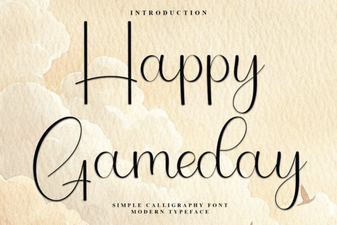 Spark Your Sports Event Designs with Happy Gameday Font
 Pearl Diamond Fonts for Elegant Website Design
 Black Magic Font: Design Tips & Creative Uses
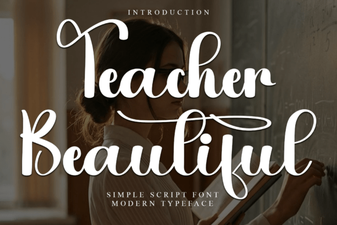 Fonts Teachers Love: Beautiful & Classroom-Friendly Designs
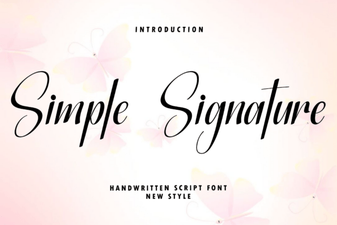 A Guide to Simple Signature Fonts for Your Projects
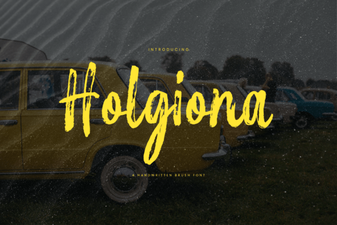 Introducing Holgiona: a Creative Font for Modern Design