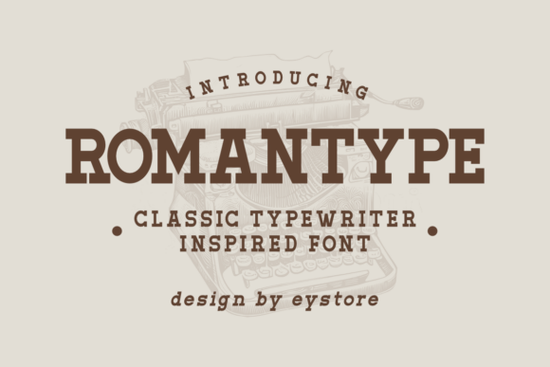
If you are looking for a font that feels like it was pulled from an old library book or a 1920s newspaper, finding the right balance between legibility and style is key. The Romantype Font captures this specific vintage mood perfectly. It isn't just a standard typewriter font; it has a bold, slab-serif structure that commands attention while keeping that nostalgic charm. Whether you are designing a book cover or a coffee shop logo, this typeface offers a solid foundation for retro-inspired projects.
Many designers struggle to find a vintage font that doesn't look too distressed or hard to read. This font solves that by offering clean, strong letterforms that work well even at smaller sizes. It brings a sense of history and authenticity to your work without sacrificing modern usability.
What makes this font different from other typewriter styles?
Most typewriter fonts try to mimic the imperfect ink of an old machine, often resulting in letters that look blurry or uneven. Romantype takes a different approach. It focuses on the structure of the letters rather than just the texture. The slab serifs are thick and sturdy, giving the text a heavy, grounded feel.
This makes it an excellent choice for display purposes. You wouldn't necessarily use this for a long paragraph of body text in a novel, but for a headline, a poster title, or a logo, it shines. The balanced proportions ensure that words like "ESTABLISHED," "VINTAGE," or "CO." look substantial and professional.
Who should use this font for their projects?
This typeface is versatile enough for several different types of creators. Here is who will get the most value out of it:
- Print-on-Demand Sellers: If you sell T-shirts, mugs, or tote bags with retro slogans, this font adds immediate character. It works particularly well for designs targeting the "cottagecore" or "dark academia" aesthetics.
- Small Business Owners: Cafés, bakeries, and bookstores often need branding that feels warm and inviting. Using a slab serif like this on your signage or menu can help establish that cozy atmosphere.
- Self-Published Authors: Book covers need to grab attention on digital shelves. A bold title in Romantype can make a historical fiction novel or a poetry collection stand out against competitors.
- Crafters and Hobbyists: For physical projects like scrapbooking, handmade greeting cards, or vinyl cutting for home decor, this font cuts cleanly and looks great when printed on textured paper.
How do you pair Romantype with other fonts?
Because this font has such a strong personality, it needs a partner that doesn't fight for attention. The best rule of thumb is to pair a heavy slab serif with something simple and clean.
Try combining it with a light sans-serif for body text. This creates a nice contrast where the headline does the heavy lifting, and the supporting text remains easy to scan. Alternatively, for a more romantic or feminine look, you can pair it with a delicate handwritten script font. The mix of the rigid, mechanical look of the slab serif against the flow of a script creates a dynamic and interesting visual hierarchy.
If you are looking for more options in this specific style family, you can explore similar slab serif designs to find the perfect match for your specific project needs.
Is it suitable for commercial use?
One of the most important questions for designers and sellers is about licensing. Most fonts found on major marketplaces like Creative Fabrica come with a license that allows for commercial use, but it is always vital to check the specific terms included with your download.
Generally, fonts like Romantype Font are designed to be used in products you sell, such as printed merchandise or digital templates. However, you typically cannot resell the font file itself. Always read the license agreement included in the download folder to ensure you are compliant, especially if you are using the font for a logo that will be trademarked.
Practical tips for using vintage typography
Using a font with this much character requires a bit of thought regarding layout. Here are a few quick tips to ensure your designs look professional:
- Watch your tracking: Slab serifs can look a bit tight if the letters are too close together. Try increasing the letter spacing (tracking) slightly to let the bold shapes breathe.
- Limit your palette: Since the font is bold, it often looks best in black, dark brown, or deep navy. Avoid using neon colors, as they clash with the vintage aesthetic.
- Use texture wisely: While the font itself is clean, placing it over a background with a subtle paper texture or noise can enhance the retro feel without making the text unreadable.
- Keep it short: This is a display font. Keep your headlines under six words for the best impact.
By choosing a typeface with strong historical roots, you add a layer of storytelling to your design before the customer even reads the words. It sets a tone of reliability and classic style that modern, geometric fonts often lack.
Quick Checklist Before You Download
Before you start your next project, run through this quick list to make sure this font is the right fit:
- [ ] Does my project need a bold, headline-style font?
- [ ] Am I aiming for a rustic, western, or literary aesthetic?
- [ ] Have I checked the commercial license for my specific use case (e.g., logo vs. T-shirt)?
- [ ] Do I have a secondary font picked out for body text?
- [ ] Is the text I need to write short enough to remain legible?
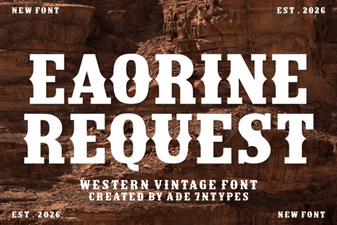 Creative Uses for the Eaorine Request Font
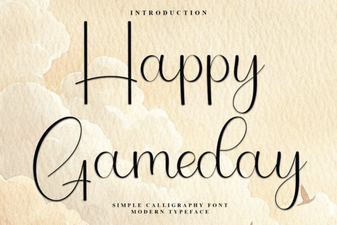 Spark Your Sports Event Designs with Happy Gameday Font
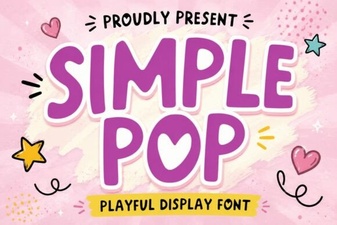 Simple Pop Fonts for Fun and Functional Design
 Pearl Diamond Fonts for Elegant Website Design
 Mankind Font: Design Ideas & Download Guide
 Black Magic Font: Design Tips & Creative Uses