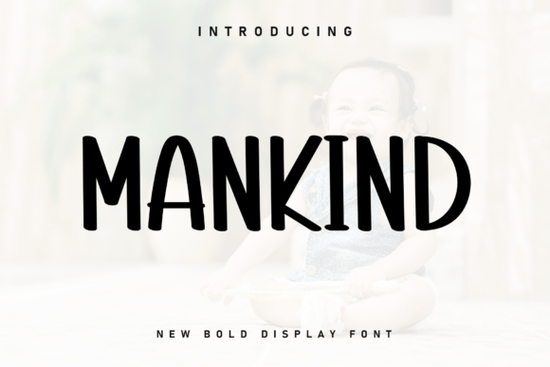
Finding the right typeface sets the tone for any creative project. When you need something that feels personal and warm, handwritten styles often work better than standard serif or sans-serif options. For designers looking to add a cozy accent to their work, the Mankind Font offers a sweet and beautiful aesthetic. Featuring characters that dance along the baseline, this typeface brings a human touch to digital designs. It is particularly useful for crafters and small business owners who want their branding to feel approachable and friendly.
Handwritten fonts are versatile, but they shine brightest in specific contexts. Unlike rigid geometric types, a script that moves naturally along the baseline creates a sense of flow. This makes it an excellent choice for wedding invitations, greeting cards, and packaging labels where emotion matters. If you are running a print-on-demand store, using a font with this kind of personality can help your products stand out on crowded marketplaces. Customers often connect more deeply with designs that look like they were written by hand rather than typed by a machine.
Where Does This Font Work Best?
Understanding where to apply this style ensures you get the most value from your download. Because the characters have a cozy feel, they pair well with projects centered around home, family, or self-care. You might use it for quotes on throw pillows or typography for kitchen decor. It is also suitable for social media graphics where you want to convey authenticity. However, legibility is key. While the dancing baseline adds charm, you should avoid using it for long blocks of text or small sizes where clarity might suffer.
For larger headlines or short phrases, this style excels. It draws the eye without being aggressive. If you are designing a logo for a bakery, a boutique, or a personal blog, this type of script can serve as the primary brand identifier. Just ensure there is enough contrast between the text and the background. White text on a dark background often makes handwritten styles pop, provided the stroke weight is thick enough to remain readable on mobile screens.
How Does It Compare to Bolder Display Options?
Not every project needs a soft touch. Sometimes, your design requires something with more weight or industrial strength. If you are working on a construction-themed graphic or need a sturdy look for a masculine brand, you might explore industrial construction themes instead. These styles offer a stark contrast to the sweetness of handwritten scripts. Knowing when to switch from cozy to bold is part of developing a strong design intuition.
Similarly, some niches require an edgier vibe. If you are creating merchandise for a music band or a streetwear label, a gentle script might not match the energy. In those cases, looking at edgy or bold alternative styles could be more appropriate. The goal is to match the typography to the message. A font that feels too safe can undermine a rebellious brand, just as a harsh font can ruin a comforting message.
Modern projects often lean towards futuristic aesthetics. If your client wants a look that feels technological or forward-thinking, a handwritten style might feel too traditional. You might consider modern futuristic styles for tech startups or science fiction themes. These options provide clean lines and geometric shapes that communicate innovation. Having a diverse library allows you to pivot quickly between these different visual languages depending on the brief.
Can You Mix This with Floral Elements?
One of the most popular combinations in the crafting world is pairing script typography with organic graphics. Handwritten text often looks beautiful when intertwined with leaves, vines, or petals. If you are building a wedding suite or a spring collection, you might complement this font with floral or organic design elements. The natural curves of the letters mirror the shapes found in nature, creating a harmonious composition.
However, balance is essential. If the graphics are too busy, the text might get lost. Keep the floral elements subtle if the font has a lot of movement. Alternatively, if you need something that feels more refined and less casual, you could look into elegant request fonts that offer a more structured script. This gives you options ranging from casual and cozy to formal and sophisticated, depending on the specific needs of your client.
Practical Tips for Using Handwritten Typefaces
To ensure your designs look professional, follow these simple steps when working with this style:
- Check Kerning: Handwritten fonts often have unique spacing. Adjust the distance between letters to ensure no characters overlap awkwardly.
- Test Legibility: View your design on different devices. What looks clear on a desktop might be hard to read on a smartphone.
- Limit Usage: Use this font for headlines or short accents. Avoid using it for body text where readability is the priority.
- Pair Wisely: Combine this script with a simple sans-serif font for secondary information to create visual hierarchy.
- Consider Color: Soft colors like pastels often enhance the cozy feel, while high contrast ensures the text is accessible.
Choosing the right typography is about more than just picking something that looks nice. It involves understanding the emotion you want to convey and the context in which the design will be seen. Whether you stick with a sweet handwritten style or opt for something more industrial, the key is consistency. Keep these considerations in mind for your next project to ensure your final output resonates with your audience.
Explore Design Simple Pop Fonts for Fun and Functional Design
 Santa Sugar Font: Festive Design Inspiration
 Simple Font Designs for Creative Projects
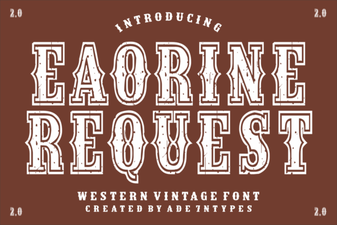 Eaorine Font Request for Modern Design Projects
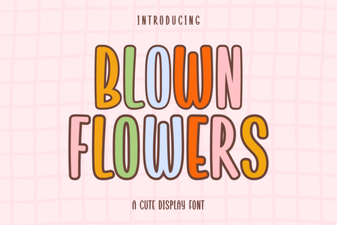 Craft Elegant Designs with Blown Flowers Font
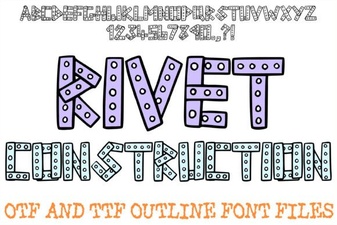 Industrial Fonts for Modern Design Projects