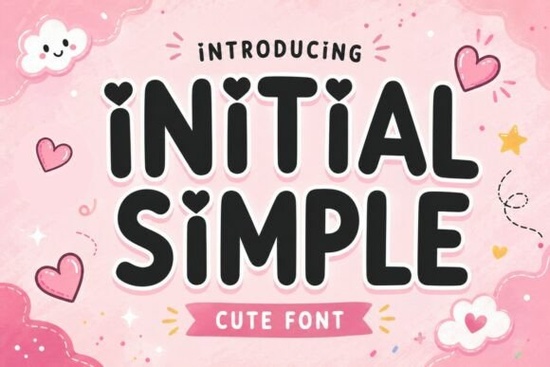
When you need a typeface that feels personal and welcoming, finding the right handwritten style makes all the difference. The Initial Simple Font is designed specifically for creators who want to add warmth to their work without sacrificing clarity. It features smooth, rounded characters and playful details that work well for projects requiring a friendly touch. Whether you are making invitations for a baby shower or designing a logo for a small boutique, this typeface helps convey a sense of care and approachability.
What makes this font suitable for children and lifestyle brands?
The visual language of this typeface relies on soft edges and organic shapes. Unlike rigid geometric fonts, the letters here mimic natural handwriting, which creates an instant emotional connection with the viewer. The inclusion of heart accents adds a layer of whimsy that is particularly effective for niches involving parenting, education, or celebration. When customers see this style on a product, they often associate it with handmade quality and attention to detail.
For print-on-demand sellers, this versatility is key. You can place this text on t-shirts, mugs, and packaging knowing it will remain legible even at smaller sizes. The rounded forms prevent the letters from looking too sparse when printed on dark fabrics or textured materials. It strikes a balance between being decorative enough to stand out and simple enough to read quickly on social media graphics or classroom materials.
How does it compare to other display options?
While this font excels in cheerful contexts, you might need different styles for varied projects. If you are looking for something with more texture or a rugged feel, you might explore stencil-style alternatives that offer a grittier aesthetic for industrial or vintage themes. On the other hand, if your brand identity requires a more structured and serious tone, a typeface like Mankind could provide the solid foundation needed for corporate materials.
For projects that need a bit more magic or fantasy elements, there are options like Unicorn Horn that lean into whimsical themes with sharper decorative edges. Conversely, if you are working on a tech startup or a modern app interface, you might prefer the clean lines found in Futurion. Understanding these differences helps you build a diverse library of typography that covers every client need without forcing a single style to do too much work.
Is the legibility maintained across different mediums?
One common concern with handwritten display fonts is whether they remain clear when scaled down. This specific typeface maintains open counters and distinct character shapes, which helps prevent letters from blending together. This is crucial for items like stickers or scrapbooking elements where space is limited. It is also important to test how the font renders on screens versus print. Webfonts should load quickly, while OTF or TTF files need to install cleanly on various operating systems.
When pairing this font with others, keep the contrast high. Since the letters are rounded and soft, pairing them with a clean sans-serif for body text creates a balanced hierarchy. Avoid pairing it with another overly decorative script, as this can make the design feel cluttered. The goal is to let the playful characters shine while ensuring the main message is understood immediately by your audience.
What should you verify before starting your design?
Before finalizing your project, check the license terms to ensure commercial use is allowed for your specific product type. Most creative assets allow for use on physical end products, but digital resale rules can vary. Additionally, verify that you have the correct file formats for your software. Having access to webfont versions can be beneficial if you are also building a landing page to match your physical merchandise.
- Check License Terms: Confirm if the license covers print-on-demand sales.
- Test Legibility: Print a sample at actual size to ensure readability.
- Pair Wisely: Combine with a simple sans-serif for body text.
- File Formats: Ensure you have OTF, TTF, or Webfont files as needed.
- Contrast Check: Verify text stands out against background colors.
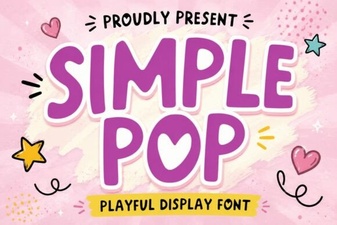 Simple Pop Fonts for Fun and Functional Design
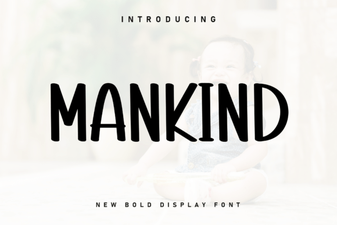 Mankind Font: Design Ideas & Download Guide
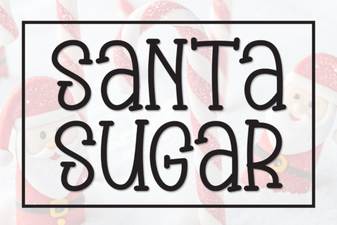 Santa Sugar Font: Festive Design Inspiration
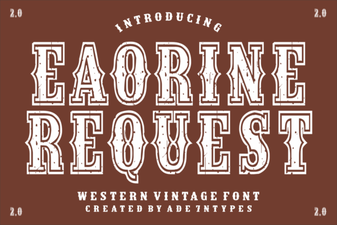 Eaorine Font Request for Modern Design Projects
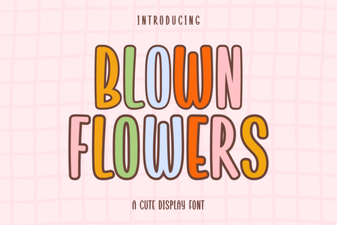 Craft Elegant Designs with Blown Flowers Font
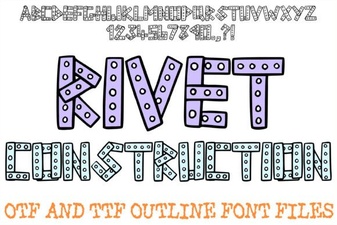 Industrial Fonts for Modern Design Projects